
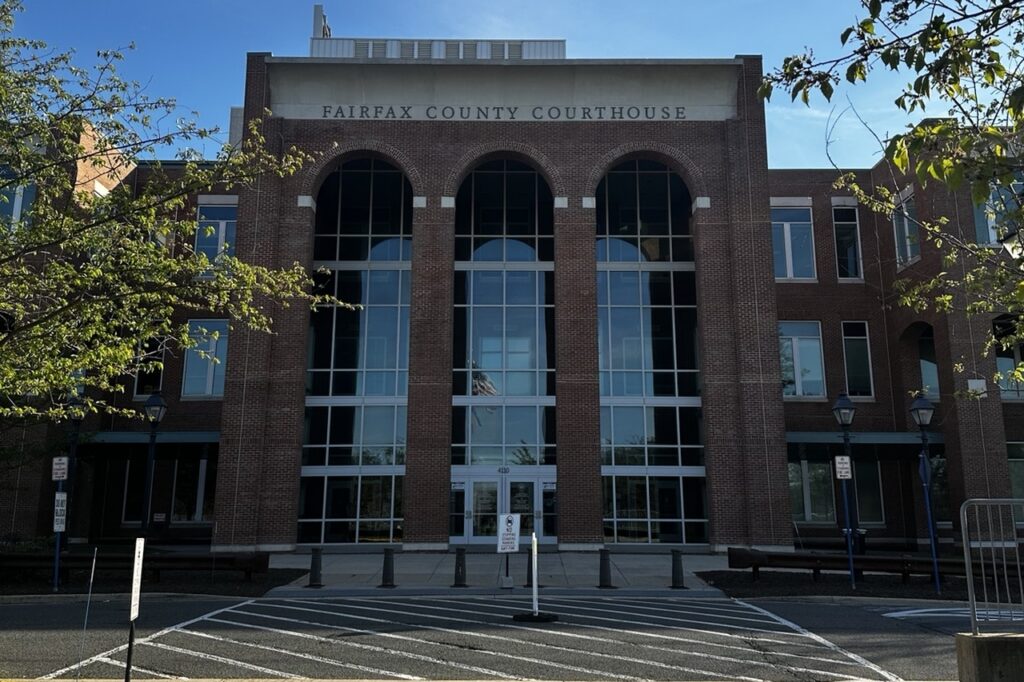
Fairfax County General District Court is, by far, the busiest General District Court in Virginia, with a high volume of cases being heard throughout the day. Because the court is so busy and there are many cases on the docket, it is important to come prepared, organized, and ready to address your case.
If you have never been to the Fairfax County General District Court, the experience can be overwhelming and can create anxiety. These feelings are normal, but these feelings can be lessened with proper preparation and understanding of what happens in court.
Getting to Court
Get there early. The parking garage is a short walk from the entrance to the courthouse. Once inside, getting through security screening can take some time due to the volume of people entering the courthouse, so give yourself extra time. It may also be helpful to look up your case on the Virginia General District Court website beforehand to verify the date and time of your hearing so you can make arrangements. Find your case here.
Generally, the courthouse is organized by floor:
- Floor 1: Traffic matters
- Floor 2: Criminal matters
- Floor 3: Juvenile and Domestic Relations Court and Civil Division for the Circuit Court
- Floors 4 and 5: More Fairfax Circuit Court matters.
Finding Your Courtroom
Once you arrive at the appropriate floor, look for the digital display of cases. Each floor has a display showing the cases scheduled for that day, including the courtroom and time each case is scheduled to be heard.
Find your name on the display and note the courtroom and scheduled time. Then, make your way to the appropriate courtroom.
Because the courthouse is busy and there are many cases being heard throughout the day, it is important to double-check the display and make sure you are in the correct courtroom.
Waiting for Your Case
The courthouse can be extremely crowded, and there are often not enough seats for everyone. You may have to stand while waiting for your case to be called. Pay close attention and listen for your name so you do not miss your case.
Before your case is called, it can sometimes be helpful to speak with the attorney on the other side. Depending on the circumstances, discussing the case may provide an opportunity to reach a resolution before appearing before the judge. In some cases, this can be advisable, depending on the specific facts and circumstances of your case.
Because there are often many attorneys appearing in court, I also recommend looking up the attorney listed on your court documents before you arrive. Reviewing their photograph online can help you recognize them when you get to court and make it easier to identify the attorney handling your case.
When Your Case Is Called
If you are not present in the courtroom when your case is called and you are the defendant in the case, the judge may enter a default judgment due to your absence. If this happens, it is recommended that you go to the Clerk’s Office on the second floor, explain your situation, and ask about your options. If you are the plaintiff in the case, the judge may dismiss your case.
When your case is called, introduce yourself to the court and your position in the case (plaintiff or defendant). If you are in court because you filed a motion, the court will typically hear from you first. If you are in court due to a motion the opposing side filed, you will typically go second. Listen to the other side carefully, and if you do not understand something, say something.
When it is your turn to speak, it is recommend to be concise and to the point. You should come prepared to clearly explain what you are asking the court to address and provide any necessary information or documentation. It may be helpful to write down what you are planning to tell the court to ensure you have addressed everything. The more organized and focused you are, the easier it is for you advocate for yourself and the court to understand your position.
The most important thing is to arrive early, verify your hearing information, make sure you are in the correct courtroom, and come prepared and organized. With the volume of cases handled by Fairfax County General District Court, being prepared can make the experience much easier to navigate.
The Clerk’s Office is a Helpful Resource
The General District Court Clerk’s Office is open Monday through Friday, from 8:00 a.m. to 4:00 p.m. The Clerk’s Office is located on the second floor of the Fairfax County courthouse.
The Clerk’s Office can answer questions about a case and may be able to assist with filling out certain documents, but Clerk’s Office staff cannot provide legal advice. When contacting the office, be prepared to provide as much information as possible, including your full name and case number. Different divisions have different telephone numbers, so be sure to contact the appropriate division for your matter. You can find the clerk’s page here.
The Clerk’s Office can be a helpful resource for procedural questions and information about your case, but if you need legal advice about your rights, defenses, or options, you should consult with an attorney.
This is for general information purposes only.